
The Allure of Chance and Uncertainty
At the heart of casino gaming lies the thrill of chance. This uncertainty sparks an innate human curiosity and a desire for excitement. Players are drawn to the unpredictable nature of games like roulette and slot machines, where outcomes are determined by luck rather than skill. In fact, many players often discuss their experiences with new crypto casinos that offer fresh opportunities, as this unpredictability keeps them engaged, with each spin or roll holding the potential for a big win, triggering the brain’s reward system.
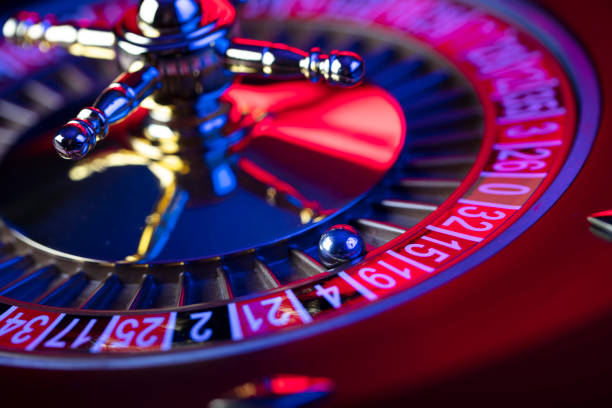
Moreover, the concept of near-misses plays a significant role in retaining players. When individuals experience outcomes that are close to winning, their brains often interpret these as victories, encouraging continued participation. This phenomenon reinforces the cycle of hope and anticipation, pulling players back into the gaming environment time and time again.
The Role of Social Interaction
Casino environments are not just about the games; they are vibrant social hubs. Many players enjoy the camaraderie and interaction that come from gaming with others. Socialization can enhance the overall experience, making it more enjoyable and memorable. Whether it’s sharing a laugh at the craps table or exchanging strategies at the poker table, these social interactions create a community feel that draws individuals back in.
In addition, casinos often host events and promotions, further cultivating a sense of belonging among players. These gatherings and tournaments not only provide a platform for competition but also create opportunities for friends and acquaintances to reconnect, enhancing the overall allure of returning to the casino.
The Psychological Rewards of Winning
Winning, even in small amounts, can create a powerful psychological impact. The immediate gratification of a successful bet releases dopamine, the neurotransmitter associated with pleasure and reward. This rush can lead to a desire for more, prompting players to continue engaging with games in hopes of replicating that euphoric feeling.
Additionally, the concept of “loss aversion” plays a pivotal role. Players are often more motivated to chase their losses than they are to celebrate their wins. This psychological tendency can lead to a cycle of repeated gaming, as individuals feel compelled to recoup their losses, making it difficult to walk away from the table or machines.
The Impact of Environment and Design
Casino design significantly impacts player behavior. The layout, lighting, and sounds within a casino are all meticulously crafted to keep players engaged. Bright lights and vibrant colors stimulate excitement, while carefully chosen music and ambient sounds create an immersive experience that encourages players to stay longer.
Furthermore, the absence of clocks and windows in many casinos helps to disorient players regarding time, leading them to lose track of how long they have been playing. This environment fosters a sense of escapism and can heighten the desire to continue gaming, further enhancing player retention.

Conclusion: Understanding Player Loyalty
In conclusion, the psychology behind casino gaming is a complex interplay of chance, social interaction, psychological rewards, and environmental design. Each element contributes to the magnetic pull of casinos, keeping players coming back for more. Understanding these factors can provide valuable insights into player loyalty and engagement in the gaming industry.
As we explore the intricate motivations behind casino gaming, it is clear that these environments are not just about chance and luck; they are about crafting experiences that resonate deeply with human psychology. This understanding can help casinos better cater to their audiences and create more engaging gaming experiences.